Preparation Is the Product:
What Happens Before We Ever Pick Up a Camera
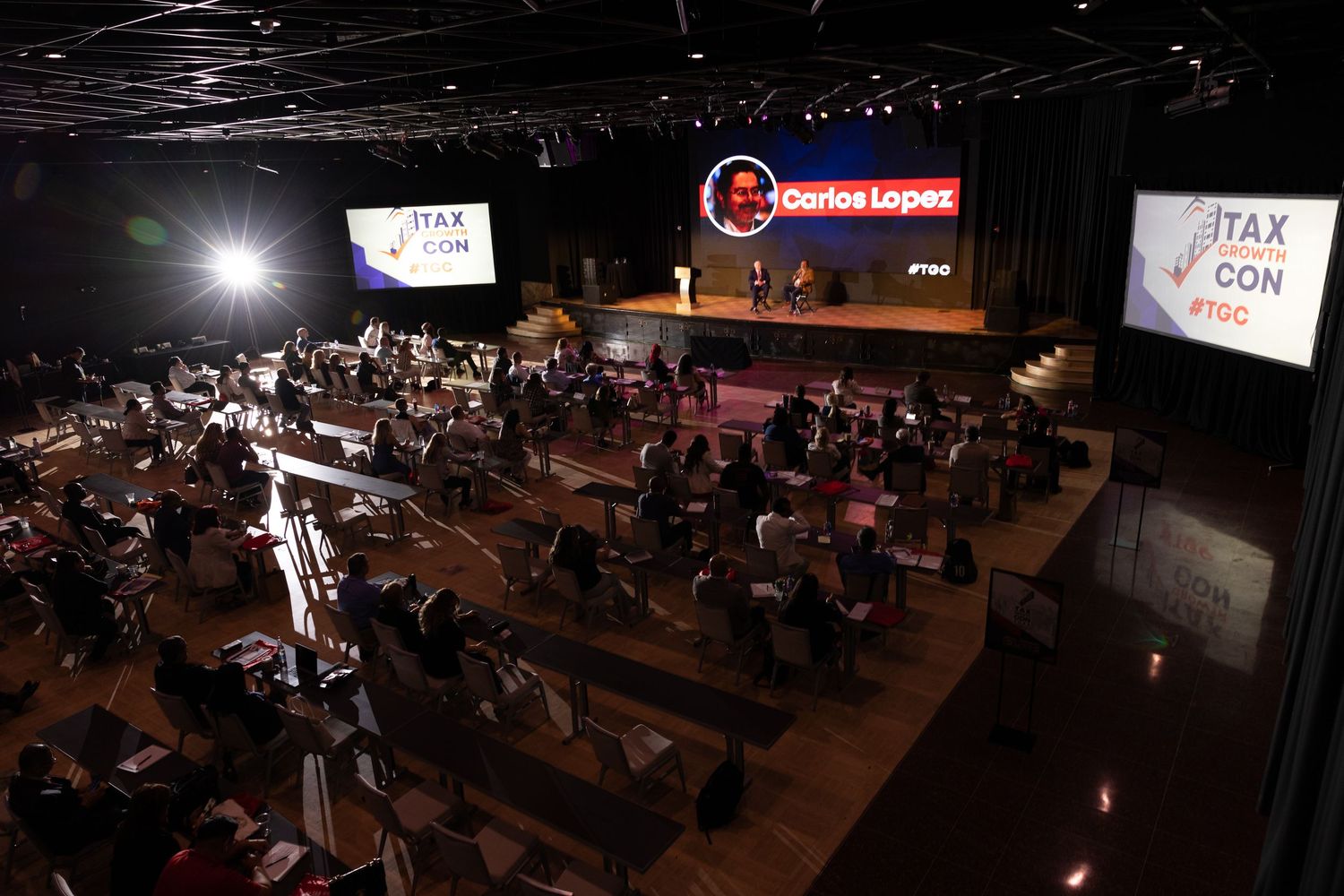
Yesterday morning the three of us flew to Las Vegas with a checked bag of light stands, a checked bag of clothes, three camera backpacks, and three computer bags. We are at Caesars Palace this week photographing and filming a multi-day corporate conference for a client we have worked with for years, and this one is the biggest thing we have ever done together.
Here is the part nobody puts on Instagram. The work that makes this event successful was mostly finished before we ever left Dallas.
So we decided to use this trip as a live case study. Not the highlight reel. The actual checklist. What we do in the days and hours before a single frame gets made, and why corporate clients keep calling us back because of it.
The Inquiry That Turned Into a Multi-Year Client
A few years ago an email landed in our inbox that read almost exactly like this:
"We saw your stuff on Instagram, the work you did for Russell and ClickFunnels. We're doing an event in Dallas. We want you to do our stuff."
We replied fast. We built a proposal. We booked their tax growth conference. Since then we have covered three or four events for them: two large conferences, a couple of smaller ones, even a book release party.
Then we saw on Instagram that they had a small seminar coming up, and we did the thing most photographers never do. We reached out first. One short email: "I happened to notice this. If you want us to block the dates, just say the word."
About a month later they came back to us with something far bigger than a small seminar. The event had outgrown Dallas entirely and moved to Caesars Palace.
That is the piece people miss about corporate work. A wedding couple pays you once. A corporate client can pay you for years, but only if you stay in the relationship instead of disappearing the moment the gallery goes out.
"Weddings pay you for a day. Corporate pays you for a decade, as long as you keep showing up between the events."
The First Thing We Shoot Has Nothing to Do With People
Walk into a ballroom with us and you will notice that our first hour has zero humans in it.
We shoot branding and registration. The lanyards. The signage. The vinyl clings on the floors, walls, and pillars. The customized key cards. We photograph all of it catalog-style before the doors open, because that room will never look this way again.
Registration tables get rearranged. Day-one signage comes down on day two. The pristine step-and-repeat picks up scuffs by lunch.
If your plan is to "get it later," you will not get it. And those detail images are frequently the ones the client's marketing team reaches for first, because they are the assets that prove the event was produced, not just held.
The Dress Rehearsal Is a Free Lighting Test
We also try to catch the morning dress rehearsal, and not for the reason you would guess.
Watching the AV techs run mic checks and cue lights tells us exactly where the stage light is generous and where it falls apart. That is intelligence we cannot get any other way, and it is sitting there for free at eight in the morning while everyone else is at the breakfast buffet.
It is the same reason we shoot fully manual in a ballroom. Manual exposure. Manual ISO. Manual white balance. If we already know a presenter drifts toward the wings where the light drops two stops, we can account for it before we ever raise the camera to our eye.
Our goal is simple: editing should be free. Every decision we make in that room is a decision we do not have to fix at midnight in a hotel lobby.
Spiking the Stage: The Roll of Tape That Saves Every Awards Photo
Every conference with an awards moment gets what we call spiking the stage.
Before the awards begin, we lay down a strip of gaff tape, not black, something a shade brighter so it reads under stage light, exactly where we want the presenter and the recipient to stand.
It sounds almost too small to matter. It is the single highest-leverage thing we do all week.
People walk at different speeds. Left to their own devices, a presenter and a recipient will meet in a slightly different spot every single time, and if you are chasing that handshake across a stage, your light changes, your focus changes, and your framing changes with it. You end up with forty different photographs of the same moment, and not one of them matches.
Put people in the box and the light is the same, the focal length is the same, and the framing is the same. Every time.
That consistency is what made our biggest awards night possible. Roughly 900 photos from one of Russell's stages, cropped, straightened, and exposure-balanced, delivered in about an hour. Before anyone went to bed.
When a client is that excited about a moment you just gave them, speed to market is not a nice touch. It is the whole return on their investment.
One Moment, Three Angles, Three Different Stories
On the biggest nights we put two or three of us on the same award moment from completely different positions.
One of us takes the traditional look-at-me-and-smile portrait, the one that goes in the recap deck. Another works the side angle and catches the hug, the high five, the split second someone's face lights up mid-celebration. If we have a third body in the room, they are behind the stage shooting the crowd on their feet with the speaker silhouetted in the foreground.
Clients use all of it, because it tells the same story three different ways.
It is also how we quietly retire the myth that corporate photography is boring. Shoot from an angle nobody expects. Silhouette a crowd to frame a speaker. Catch the unposed moment sitting right next to the posed one. The boardroom does not kill your creative voice. It just asks you to be intentional about where you spend it.
Losing Nothing: What Our Backup System Actually Looks Like
None of this matters if the files do not make it home.
Every camera runs two cards. A lower-capacity card we shoot on all day, and a higher-capacity backup we only swap in if we need it. We never, under any circumstance, clear a card on site.
At every break, cards come in on one side of the laptop, get uploaded and backed up to a hard drive, and move to the other side of the laptop once they are done. There is never a question about which cards have been handled, because the answer is physical and visible from across the room.
By the time we walk out of a venue, the cards, the computer, and the hard drive are in three separate bags.
Is the chance of loss zero? No. It never is. But splitting the risk across three physical locations gets you as close to zero as a working professional can reasonably get, and it means we have never had to make the phone call none of us want to make.
Preparation Is the Product
Nothing that makes a corporate client rebook you happens in the 1/200th of a second it takes to press the shutter.
It happens the morning before. In the dress rehearsal nobody asked us to attend. In a roll of gaff tape. In the second bag of backup gear that never comes out of the case. In the email we sent when we noticed an event on their feed.
Corporate clients notice preparation, because preparation is the only real evidence that you take their brand as seriously as they do. That is what gets you the call for the next one, and the one after that, and eventually the one that moves from a Dallas hotel to Caesars Palace.
We are recording a follow-up episode when this trip wraps: what we actually did, what we would change, and what caught us off guard. Until then, if you want the full walkthrough of how we booked, prepped, and executed this event, it is all in Episode 14 of Hocus Focus.
And if you are a photographer or videographer ready to build the systems that turn one corporate client into a multi-year relationship, our free playbook lays out exactly how we do it: themamones.com/playbook.
Corporate Event Photography Prep FAQ
What do you photograph first at a corporate conference? Branding and registration, before the doors open. Signage, lanyards, floor and wall clings, key cards, and registration setup change or disappear as the event runs, and those detail images are often the first assets a client's marketing team uses.
Why shoot manual at a corporate event? Ballroom and stage lighting is uneven and changes with every cue. Manual exposure, ISO, and white balance let you compensate for known trouble spots in camera instead of rescuing files in post, which protects both your consistency and your delivery speed.
What does "spiking the stage" mean in event photography? It is marking the stage with a strip of gaff tape where the presenter and recipient should stand during awards. It keeps light, focal length, and framing identical across every single award photo, which is what makes same-night delivery of hundreds of images possible.
How do you back up photos on location? Run two cards per camera, never format a card on site, and offload to a hard drive at every break using a consistent physical workflow. Separate the cards, the computer, and the drive into different bags before leaving the venue.
How do corporate photography clients become repeat clients? By staying in the relationship between events. Watch their announcements, reach out first when you see something coming, and offer to hold dates. Most photographers go quiet after delivery, which is exactly why the ones who do not get rebooked.
🎧 Listen to Episode 14 of Hocus Focus: hocusfocuspodcast.com
Internal links
- "stay in the relationship" (same section) → How to Turn One Event Into a Content Machine